For the last 25 years, Cooperative Science Centers (CSCs) have supported research and workforce development, equipping students with the knowledge to pursue careers in the sciences related to NOAA’s mission.
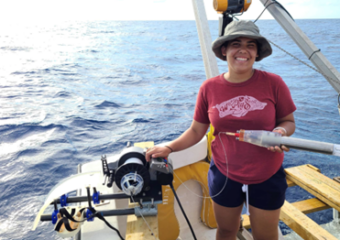
Through the NOAA Educational Partnership Program (EPP), students have access to research opportunities, workshops, conferences, and mentorship with NOAA scientists and program managers. In addition, students have the opportunity to participate in hands-on internships at NOAA facilities, where they can practice their knowledge in real-world settings.
“The CCME program had a tremendously positive impact on my time as a graduate student. It provided the experience and training that I use in my career as a Fisheries Biologist with NOAA. The program offered incredible access to resources, scientific conferences, networking opportunities and professional development which contribute to developing exceptional scientists and natural resource managers. The NOAA Experiential Training Opportunity (NERTO) allowed me to work closely with NOAA mentors who were immensely supportive in guiding my research and launching my career. I would not have the career I love today without the NOAA EPP/MSI CCME II program!” Fish Biologist with NMFS West Coast Region, Dr, Anthony Lima said.
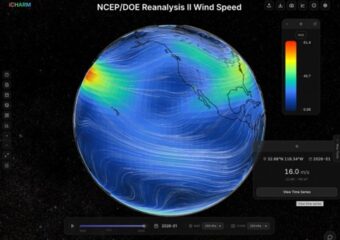
Students within CSCs acquire technical and professional skills that expose them to tools and techniques like satellite data, radar, and data modeling. They also acquire skills in analyzing environmental information, presenting their research, and applying academic knowledge in real-world situations.
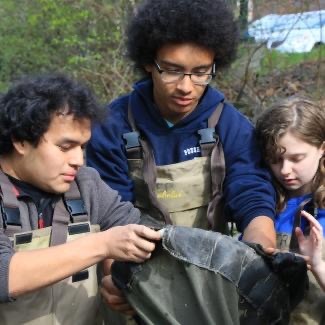
CSC mentors and NOAA professionals also significantly contribute to the success of the students. Through their guidance, mentors help students enhance their skills in research, completion of academic programs, and career prospects.
Since 2001, EPP has supported thousands of students seeking a post-secondary degree that fits within NOAA’s mission, with over 2,700 degrees completed. EPP’s program participants have gone on to fill roles within government, especially NOAA headquarters and field offices, as well as academic and private sectors.
For 25 years, CSC have done more than simply prepare students for their future careers, they have helped shape a new generation of scientists, leaders, and changemakers who embody the communities they serve.
Each student’s path from their first research experience to their first professional step is part of a broader commitment to access, opportunity and impact. As the program continues, so does its legacy, not only marked by the number of degrees earned or jobs secured, but the effect of mentorship, representation, and innovation in the U.S. STEM fields.